Retro Checkered Mama: A Designer's Review for Embroidery
As a designer who spends more time staring at stitch previews than I do sleeping, I approach every new digital embroidery file with a mix of excitement and skepticism. We have all been there: you buy a trendy graphic, load it into your software, and realize the lines are too thin for satin or the details will vanish on textured fabric. That is why I took a close look at the Retro Checkered Mama PNG, Check Mama SVG collection. While these files are often marketed for sublimation or print-on-demand under the category of T-Shirt Designs and Graphics, my interest lies in their potential as a machine embroidery design for custom apparel and handmade goods.
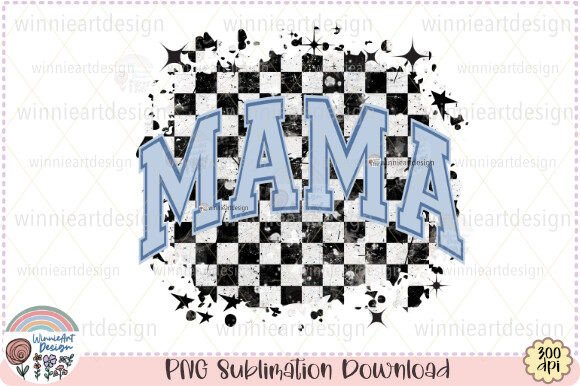
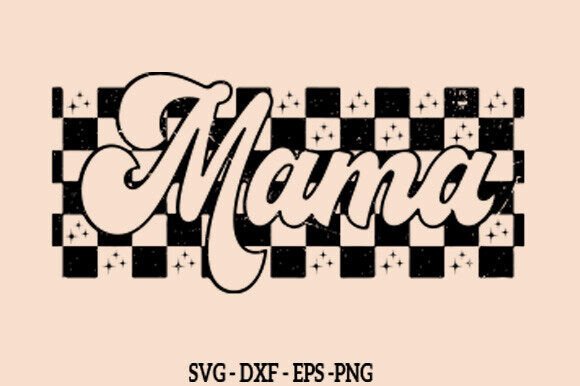
The first impression of this design is undeniably nostalgic. The checkered pattern evokes a specific late-90s, early-2000s vibe that is currently dominating social media trends. For an Etsy seller or small shop owner, tapping into this aesthetic can be a goldmine. However, translating a distressed, grunge-style PNG or SVG into thread requires a critical eye. The "distressed" look in a digital graphic often means broken lines and faded edges. In embroidery, if not handled correctly, this can look like a mistake rather than a style choice. The key to making the Retro Checkered Mama concept work in thread is understanding how to mimic that texture without compromising the structural integrity of the finished product.
Visualizing the Stitch-Out: From Screen to Fabric
When I visualize this design on a physical item, I immediately think of a oversized sweatshirt or a canvas tote bag. The bold, retro typography paired with the checkered background demands space. If you are planning a sweatshirt embroidery project, this design shines. The heavier weight of fleece or French terry provides a stable base that can support the density required to fill in those checkered squares. Using a fill stitch for the checks and a clean satin stitch for the "Mama" text creates a nice contrast in texture. This variation keeps the eye moving and prevents the design from looking like a solid, heavy block of thread.
However, we must address the "grunge" element mentioned in the product description. In a printable mockup, distressed edges look cool and edgy. In embroidery, random gaps in stitching can lead to fabric showing through in unflattering ways or threads snagging over time. My advice for adapting this design asset for embroidery is to simplify the distress. Instead of trying to replicate every pixelated fade, focus on the overall shape. Ensure that any running stitches used for outlining are dense enough to hold down the fabric edges, especially if you are attempting an applique design version where the checks are cut from fabric.
Real-World Application: The Boutique Tote Scenario
Let's walk through a real-life scenario. Imagine a customer orders a personalized gift for a new mother who loves vintage aesthetics. You decide to use the Check Mama SVG concept to create a custom diaper bag or a stylish tote. This is where the practicality of the design comes into play. A tote bag undergoes significant stress; it gets stuffed, dragged, and washed. If the stitch density is too low, the checkered pattern might gap open when the bag is full. If it is too high, the fabric might pucker, ruining the flat, retro look you are aiming for.
In this scenario, I would recommend using a high-quality cutaway stabilizer. Even though the original file might be intended for flat printing, embroidery adds a third dimension. The stabilizer ensures that the thread colors pop against the canvas and that the geometric lines of the checkerboard remain straight. For the color palette, sticking to high-contrast combinations—like black and white or cream and sage green—will maximize the visual impact. This attention to detail transforms a simple digital download into a premium handmade product that justifies a higher price point.
Navigating Fabric Challenges and Hoop Sizes
Not every surface is suitable for this specific design. While it works beautifully on flat, sturdy materials, caution is needed with stretchy fabrics or curved surfaces. If you attempt to put this on a cap, the curvature can distort the perfect squares of the checkerboard, making them look warped. Similarly, thin fabrics like a standard cotton tee might struggle to support the weight of the design unless you use a very light hand with the tension and perhaps opt for a running stitch outline instead of heavy fills.
Size matters immensely here. The Retro Checkered Mama design relies on the repetition of the grid. If you shrink it down to fit a small 4x4 hoop size for a baby onesie, you risk losing the definition of the checks entirely. They may merge into a muddy blob. For baby embroidery, I suggest enlarging the design significantly or simplifying the pattern to just the text with a single row of checks. Always test the design on scrap fabric of the same weight and texture as your final project. This simple step saves time, thread, and frustration.
Commercial Viability and Brand Consistency
For craft business owners, consistency is trust. If you sell a line of "Cool Mom" merchandise, the quality of the stitch-out reflects directly on your brand. The Retro Checkered Mama PNG, Check Mama SVG offers a trendy hook, but its execution determines customer retention. A well-executed version of this design signals professionalism. It shows that you understand not just how to upload a file, but how to engineer a custom apparel item that lasts.
Before listing this as a small shop product, verify the licensing terms. The product description notes it is a digital file, often meant for sublimation. Using it for commercial embroidery usually requires checking if the creator allows derivative works or physical sales. Never assume a PNG or SVG bought for print use automatically grants rights for machine embroidery resale without verification. Protecting your craft business means respecting intellectual property while leveraging trending design assets to create unique value.
Final Thoughts on Execution
The Retro Checkered Mama concept is a strong contender for your next embroidery project, provided you adapt it with a stitcher's mindset. It bridges the gap between digital trendiness and tactile craftsmanship. Whether you are creating holiday embroidery gifts, nursery decor, or a signature line of embroidered patches, the potential is there. Just remember to respect the limitations of thread and fabric. Test your tension, choose your stabilizer wisely, and don't be afraid to tweak the digital file to suit the physical medium. When done right, this design isn't just a graphic; it's a statement piece that celebrates mom life with style and durability.