Mom's Are Like Buttons: A Designer's Real-World Review
When I first pulled up the Mom s Are Like Buttons file on my screen, I didn't just see a cute phrase; I saw a potential bestseller for my spring collection. As someone who spends hours digitizing and stitching for clients, I know that a design needs to do more than look good on a monitor. It has to survive the needle, the fabric tension, and the washing machine. This review breaks down how this specific graphic holds up when you move from digital asset to tangible, stitched reality.
First Impressions and Visual Personality
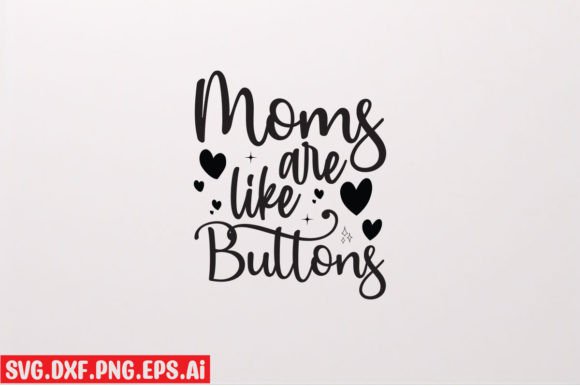
The immediate mood of Mom s Are Like Buttons is warm, nostalgic, and undeniably charming. The typography suggests a hand-lettered feel, which is perfect for the current trend of boutique-style apparel. Visually, it strikes a balance between playful and sentimental. For an embroidery project, the layout appears clean, avoiding overly intricate intersections that often cause thread breaks or bird nests. The theme naturally leans toward family-centric items, making it an ideal candidate for Mother's Day promotions, baby showers, or everyday "mom life" merchandise. The visual personality is soft yet confident, suggesting that this design will appeal to customers looking for personalized gifts that feel handmade rather than mass-produced.
Real-World Application: The Tote Bag Test
To truly evaluate this design, I imagined a specific real-life scenario: creating a custom embroidered tote bag for a local craft fair. Tote bags are popular, but they present challenges due to their woven texture and potential for shifting. Mom s Are Like Buttons fits perfectly here. The scale of the lettering seems substantial enough to stand out against a canvas background without getting lost in the weave.
If I were stitching this onto a heavy cotton tote, I would anticipate excellent coverage. The design doesn't rely on microscopic details that might get swallowed by the fabric texture. Instead, it offers bold shapes that translate well into satin stitch or fill stitch applications. For a small shop product, this kind of clarity is crucial. Customers at a craft fair often judge quality by how crisp the stitching looks from a distance. This graphic delivers that immediate visual impact, making it a strong contender for high-traffic retail environments.
Versatility Across Custom Apparel
Beyond tote bags, this design shines in the realm of custom apparel. Imagine this stitched onto a heather grey sweatshirt or a structured cap. The versatility of the file formats provided—specifically the AI, EPS, SVG, and DXF options—means you can easily resize or adjust elements before sending them to your embroidery machine.
- Sweatshirts: The design complements the cozy nature of fleece or French terry. It works well as a chest logo or a larger back piece.
- Baby Embroidery: Scaled down, this becomes a sweet addition to onesies or bibs, perfect for new mom gifts.
- Holiday Embroidery: With simple color swaps, it could easily fit into seasonal collections, perhaps using reds and greens for Christmas or pastels for Easter.
The fact that the product includes 100 editable files and 100 color-changeable options is a massive plus for a craft business. It allows you to tailor the thread colors to match specific brand palettes or seasonal trends without needing to re-digitize the entire machine embroidery design.
Technical Considerations and Fabric Challenges
While the design is promising, a professional reviewer must also look for potential pitfalls. Where should you use caution? Any design with text requires careful attention to stitch density and hoop size. If you are working with very thin or stretchy fabrics, like a lightweight rayon tee, you must ensure you are using the correct stabilizer. A cut-away stabilizer would likely be necessary to prevent the text from puckering over time.
Additionally, consider the fabric texture. On highly textured materials like wool blankets or rough linen, the finer points of the letters might need adjustment. If the original digitizing includes tiny connecting stitches (tie-offs) that are too delicate, they might break on coarse fabric. It is always wise to test the design on a scrap piece of your intended material first. This is especially true for curved surfaces like caps, where the distortion of the fabric can warp the appearance of the text if the underlay isn't sufficient.
Another critical factor is washability. Products like kitchen towels or aprons undergo frequent laundering. Dense stitch areas can sometimes become stiff or cause the fabric to pucker after multiple wash cycles. Before selling these as finished products, run a few wash tests to ensure the embroidered patch effect remains intact and the threads do not fray.
Enhancing Brand Value and Customer Trust
Using a high-quality graphic like Mom s Are Like Buttons directly affects your brand perception. When a customer receives a personalized gift with clean, professional stitching, it builds trust. They associate that quality with your shop. Conversely, a design that looks pixelated or stitches out poorly can damage your reputation.
This design supports brand consistency because of its clear lines and adaptable nature. Whether you are an Etsy seller listing digital downloads or a boutique owner selling physical goods, the included high-resolution PNG and JPG mockups allow you to present the product professionally online. Good presentation leads to higher buyer engagement. The transparent backgrounds mentioned in the file list are particularly useful for creating composite images for social media marketing, helping your design assets stand out in a crowded feed.
Practical Notes for the Embroidery Designer
Before you commit to a full production run, here are some actionable steps to ensure success with this file:
- Test on Scrap Fabric: Never skip this step. Stitch the design on the exact same weight and type of fabric you plan to sell.
- Check Thread Contrast: Ensure your thread choice contrasts sufficiently with the fabric so the text remains legible.
- Review Stitch Density: If the design feels too stiff, consider reducing the density slightly in your editing software.
- Confirm Hoop Size: Verify that the design fits within your machine's hoop limits, especially if you are working with smaller frames.
- Inspect Small Details: Zoom in on the digitized file to check for any overlapping stitches or unnecessary jumps that could affect efficiency.
- Mockup Testing: Use the provided mockups to visualize the design in black and white to check for value contrast, not just color.
- Licensing Check: Although the product mentions instructions and various files, always confirm the specific licensing terms regarding commercial use before selling finished items or redistributing the digital files.
In conclusion, Mom s Are Like Buttons is a robust choice for designers looking to expand their catalog of T-Shirt Designs and home decor items. Its strength lies in its emotional resonance and technical adaptability. By paying attention to fabric selection and stabilization, you can transform this digital graphic into a cherished handmade product that resonates with customers and stands the test of time.